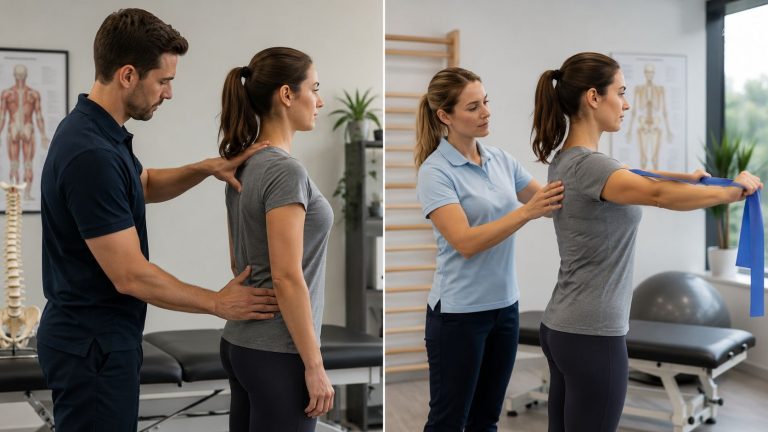

Posture Correction Therapy in Tirana: Signs You Need Professional Treatment
Poor posture is often treated as a cosmetic concern, but the way you hold and move your body can directly affect your muscles, joints, balance, breathing, and everyday comfort. Sitting for long periods, working at a computer, driving, looking down at a mobile phone, or performing repetitive movements can gradually place unnecessary stress on the spine.
Although occasional stiffness may improve with movement and rest, persistent discomfort can indicate that your body needs a more structured approach. Professional posture correction therapy in Tirana can help identify the causes of poor posture, improve mobility, strengthen supporting muscles, and reduce the risk of recurring pain.
What Is Posture Correction Therapy?
Posture correction therapy is a personalized treatment approach designed to improve how the body is positioned and supported during sitting, standing, walking, and movement. It does not simply involve being told to “stand up straight.” Effective treatment considers how the spine, joints, muscles, and movement patterns work together.
A professional assessment may evaluate spinal mobility, shoulder position, muscle strength, flexibility, balance, gait, and daily habits. The therapist may also examine whether one part of the body is compensating for weakness or restriction in another area.
Depending on the findings, treatment may combine chiropractic care, physiotherapy, manual therapy, soft-tissue techniques, therapeutic exercises, and practical recommendations for daily activities.
1. You Frequently Experience Neck or Back Pain
Recurring neck, upper-back, or lower-back pain is one of the most common signs that your posture may need professional attention. When the body remains in an unbalanced position, certain muscles must work harder to support the head and spine.
For example, a forward head position can increase strain on the neck and shoulders. Sitting with a rounded lower back may place additional pressure on the lumbar region. Over time, this can contribute to stiffness, muscle fatigue, and discomfort that becomes more noticeable after work or prolonged sitting.
Posture correction therapy can help identify the positions and movement habits contributing to the pain rather than focusing only on temporary symptom relief.
2. Your Shoulders Appear Rounded or Uneven
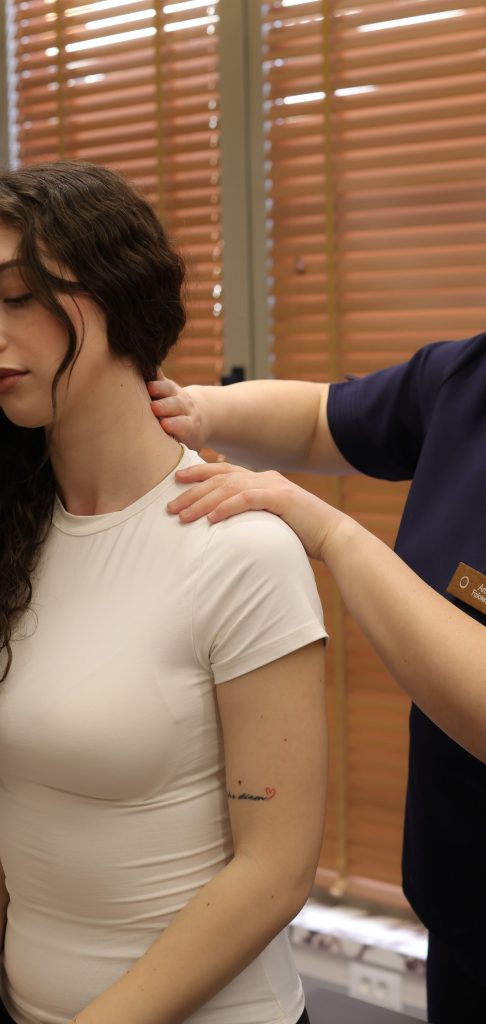
Rounded shoulders are common among people who use computers, smartphones, or tablets for several hours each day. One shoulder may also appear higher than the other because of muscle imbalance, carrying a bag on the same side, repetitive work, or previous injury.
These changes may affect more than your appearance. They can limit shoulder movement, increase upper-back tension, and contribute to headaches or neck discomfort.
During posture correction therapy in Tirana, a specialist can evaluate shoulder mobility, upper-back movement, and muscle control. A personalized plan may include stretching tight chest muscles, strengthening the upper back, and improving shoulder-blade stability.
3. You Feel Stiff After Sitting
Feeling stiff after a long day is common, but regular pain or difficulty standing after relatively short periods may indicate reduced mobility or poor sitting mechanics.
People who work at a desk may gradually develop tight hip flexors, weak core muscles, limited upper-back mobility, and increased tension in the neck. Simply buying a new chair may not resolve these issues when muscle imbalances and movement restrictions are already present.
Professional treatment may include mobility exercises, manual techniques, and advice on adjusting your workstation. Regular movement breaks and changes in sitting position may also form part of the plan.
4. You Suffer from Frequent Tension Headaches
Not every headache is posture-related, but tension in the neck, shoulders, and upper back can contribute to certain types of headaches. Looking down at a screen or holding the head forward for extended periods may overload the muscles around the neck and base of the skull.
If headaches regularly appear after desk work, driving, or prolonged phone use, a posture assessment may be beneficial. Treatment can focus on reducing muscular tension, improving neck and upper-back mobility, and teaching healthier screen-positioning habits.
Persistent, severe, sudden, or unusual headaches should always be medically evaluated to rule out other causes.
5. Your Balance or Movement Feels Different
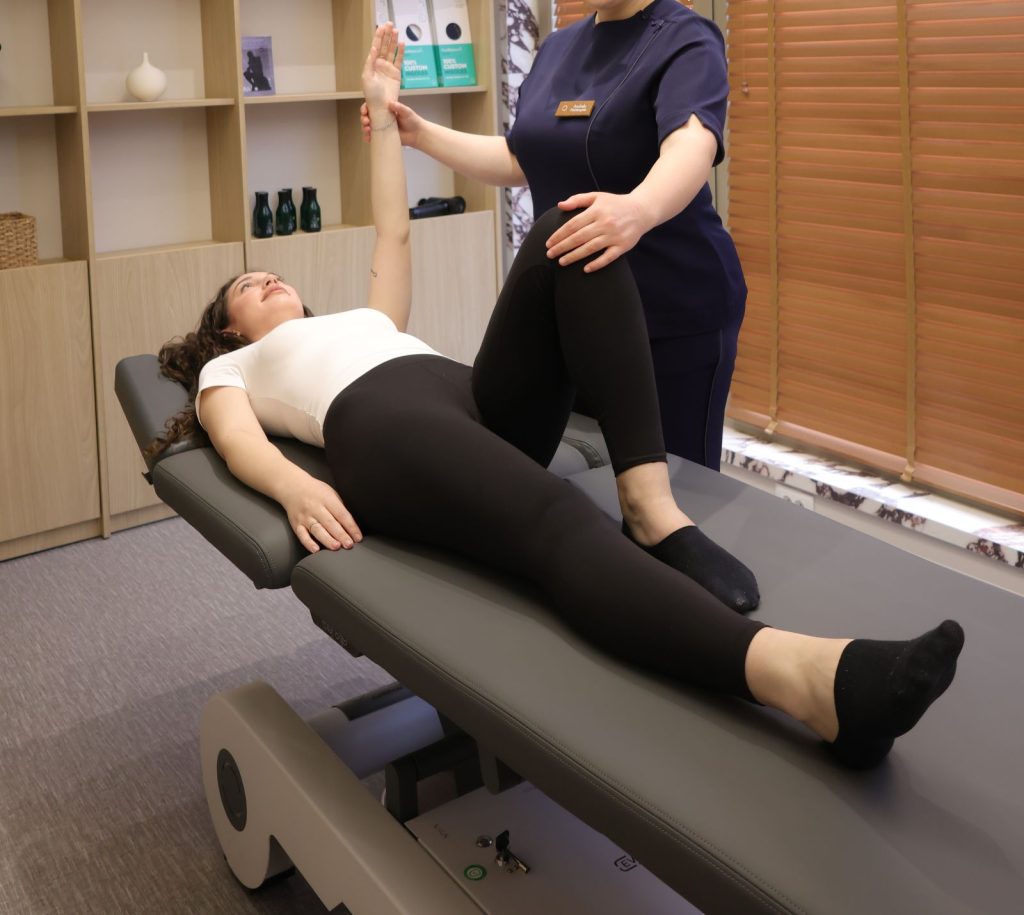
Posture affects the way the body distributes weight while standing and moving. When alignment and muscle control are reduced, you may feel less stable, place more weight on one leg, or notice that everyday movements have become less comfortable.
Activities such as walking, climbing stairs, rising from a chair, carrying bags, or turning to look behind you all require balance and coordinated movement. If these actions feel increasingly difficult, professional assessment can help identify weaknesses, restrictions, or compensatory movement patterns.
6. Your Pain Keeps Returning
Temporary relief from massage, stretching, or rest may be helpful, but recurring symptoms often suggest that the underlying cause has not been fully addressed.
For lasting improvement, treatment may need to focus on several areas at the same time. Restricted joints may require mobility work, tight muscles may benefit from manual therapy, and weak supporting muscles may need targeted strengthening.
At Zen House, posture-related treatment can incorporate chiropractic adjustments, physiotherapy, soft-tissue therapy, manual techniques, and therapeutic exercise according to the patient’s individual needs. The purpose is to improve function and help the body maintain healthier movement patterns over time.
What to Expect from Professional Posture Treatment
Your first appointment will usually begin with a detailed consultation. The specialist may ask about your symptoms, work routine, physical activity, previous injuries, lifestyle, and treatment goals.
Your posture may then be assessed while sitting, standing, walking, bending, or rotating. Existing medical reports or imaging can also be reviewed when relevant. Based on the assessment, the specialist will determine whether posture correction treatment is suitable or whether another healthcare evaluation is needed.
Because every body is different, the same treatment should not be applied to every patient. A personalized program may include:
- Chiropractic or joint-mobility techniques
- Physiotherapy and corrective exercise
- Soft-tissue and manual therapy
- Core and postural muscle strengthening
- Flexibility and balance exercises
- Workstation and lifestyle recommendations
- Home exercises for continued improvement
When Should You Seek Immediate Medical Care?
Posture therapy is not a replacement for urgent medical assessment. Seek prompt medical attention if back or neck pain follows a serious accident or is accompanied by significant weakness, spreading numbness, fever, unexplained weight loss, loss of bladder or bowel control, or severe pain that suddenly worsens.
Improve Your Posture with a Personalized Plan
Good posture is not about maintaining a rigid or unnatural position throughout the day. It is about helping your body move efficiently, remain balanced, and adapt comfortably to different activities.
Professional posture correction therapy in Tirana can help you understand what is contributing to your discomfort and provide a structured plan for improving mobility, strength, and daily movement habits. With the right combination of professional care, corrective exercises, and practical lifestyle changes, you can reduce unnecessary strain and support better long-term spinal health.