Posture Correction: Why Good Balance Matters in Everyday Life
Good posture is not only important for athletes, dancers, or people who exercise regularly. It matters for everyone. From walking across the room to standing up from a chair, going up and down stairs, carrying bags, working at a desk, or turning to look behind you, your posture and balance affect almost every movement you make.
Posture correction focuses on helping the body move, stand, and function in a more balanced way. It is not about forcing the body into a perfect position. It is about improving alignment, reducing unnecessary strain, and supporting better movement in everyday life.
What Is Posture Correction?
Posture correction is a personalized approach that helps identify and improve postural imbalances in the body. These imbalances may develop from daily habits, long hours sitting, poor ergonomics, muscle weakness, repetitive movements, stress, or previous injuries.
Over time, poor posture can place extra pressure on the spine, neck, shoulders, hips, knees, and feet. This may lead to discomfort, stiffness, reduced flexibility, and difficulty moving comfortably.
Posture correction may include assessment, manual therapy, soft tissue techniques, chiropractic care, stretching, strengthening exercises, and lifestyle guidance. The goal is to help the body return to a more natural and efficient way of moving.
Why Posture Matters
Posture affects much more than how you look when you stand or sit. It influences balance, joint movement, breathing, muscle activity, and energy levels.
When the body is well aligned, muscles and joints work more efficiently. When posture is poor, some muscles may become overactive and tight, while others may become weak or inactive. This imbalance can create pain, fatigue, and restricted movement.
Good posture can support:
- Better balance
- Easier movement
- Reduced muscle tension
- Improved spinal alignment
- Better breathing mechanics
- Less strain on joints
- Greater body awareness
- Improved confidence and comfort
Even simple daily actions become easier when the body is balanced.
Balance Is Important for Everyone
You do not need to be an athlete to benefit from good balance. Balance is involved in many basic movements that we often take for granted.
You use balance when you:
- Walk across the floor
- Walk down the street
- Stand up from a chair
- Climb stairs
- Carry shopping bags
- Bend to pick something up
- Turn your head or body
- Step over an obstacle
- Move from one position to another
If balance is affected by poor posture, muscle weakness, stiffness, or joint restriction, even normal activities can feel more difficult. Posture correction helps improve the body’s stability and coordination, making movement safer and more comfortable.
Common Causes of Poor Posture
Poor posture often develops gradually. Many people do not notice it until discomfort appears in the neck, back, shoulders, or hips.
Common causes include:
- Sitting for long hours
- Working at a computer
- Looking down at a phone
- Weak core muscles
- Tight hip flexors
- Rounded shoulders
- Stress-related muscle tension
- Lack of physical activity
- Repetitive work movements
- Previous injuries
- Incorrect lifting habits
These habits can slowly change the way the body holds itself. Without correction, the body may adapt to these positions and create long-term tension or imbalance.
Posture and Neck Pain
One of the most common effects of poor posture is neck pain. Looking down at a phone or sitting in front of a computer for many hours can push the head forward and increase pressure on the neck and upper back.
This may lead to stiffness, headaches, shoulder tension, and reduced neck movement. Posture correction helps address these patterns by improving alignment, releasing tight muscles, and strengthening the muscles that support the neck and upper spine.
Posture and Back Pain
Back pain is also closely connected to posture. Poor sitting habits, weak core muscles, and incorrect movement patterns can place stress on the lower back.
When posture is not balanced, the spine may carry pressure unevenly. This can cause tightness, discomfort, and fatigue. A posture correction program can help improve spinal support, restore mobility, and reduce unnecessary strain on the back.
Posture Correction and Daily Movement
The purpose of posture correction is not only to improve standing or sitting position. It is also to improve how the body moves throughout the day.
A good posture correction plan may focus on:
- How you sit at work
- How you stand
- How you walk
- How you bend
- How you lift objects
- How you climb stairs
- How you carry bags
- How you sleep
- How you use your phone or computer
Small changes in daily movement can create long-term improvements in comfort, balance, and mobility.
What to Expect During a Posture Correction Session
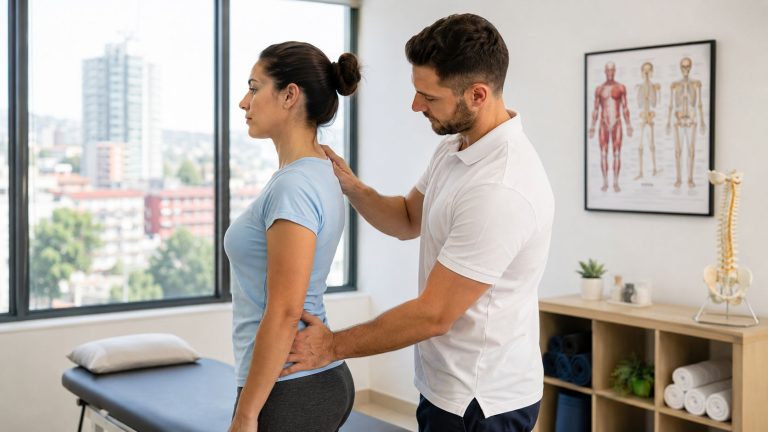
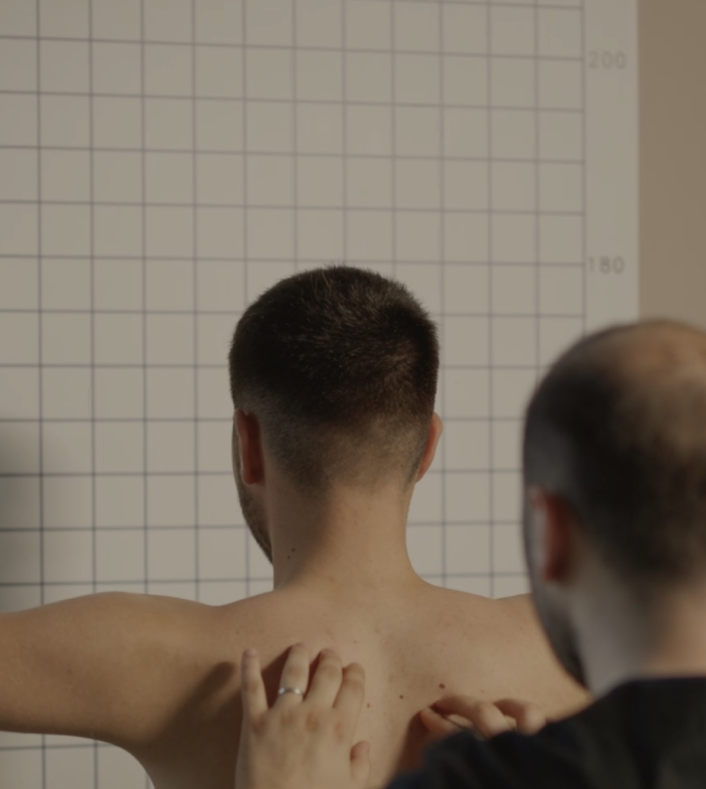
A posture correction session usually begins with an assessment. The specialist may observe how you stand, sit, walk, and move. They may also ask about your lifestyle, work routine, pain areas, physical activity, and previous injuries.
Based on this assessment, a personalized plan is created. Treatment may include manual techniques, soft tissue therapy, mobility work, stretching, strengthening exercises, and guidance for improving daily habits.
The plan is adapted to your body and your goals. Some people need support for neck and back pain, while others want better balance, improved mobility, or prevention of future problems.
Exercises for Better Posture
Therapeutic exercises are often an important part of posture correction. These exercises help strengthen weak muscles, release tight areas, and improve body awareness.
Common focus areas may include:
- Core strength
- Upper back strength
- Shoulder mobility
- Neck stability
- Hip flexibility
- Glute activation
- Balance training
- Breathing control
The exercises should be performed correctly and gradually. A specialist can guide you safely and make sure the movements are appropriate for your condition.
The Connection Between Posture and Mental Well-Being
Posture can also influence how we feel mentally. When the body is tense, stiff, or uncomfortable, it can affect mood, focus, energy, and confidence.
Improving posture may help the body feel lighter and more relaxed. Better movement and reduced tension can support a greater sense of well-being. At Zen House, posture correction is part of a holistic approach that recognizes the connection between body, mind, and overall wellness.
Posture Correction at Zen House
At Zen House, posture correction is designed to support better movement, balance, and body function. The approach is personalized and may be combined with other Body Wellness services depending on your needs.
These may include:
- Chiropractic adjustments
- Manual therapy
- Soft tissue therapy
- Therapeutic exercise programs
- Spinal decompression
- Pilates and movement-based care
This integrated approach helps address the body as a connected system rather than focusing only on one symptom.
Improve Your Posture, Improve Your Movement
Good posture is not about perfection. It is about helping your body move with less strain, better balance, and greater confidence.
Whether you are walking, sitting, working, exercising, climbing stairs, or simply turning to look behind you, posture plays an important role in how your body feels and functions.
Posture correction can help reduce tension, improve mobility, support balance, and make everyday movement easier.
Book Posture Correction in Tirana
If you experience neck pain, back discomfort, poor posture, muscle tension, or balance problems, Zen House offers personalized posture correction programs in Tirana.
Book your consultation today and take the first step toward better posture, improved balance, and a healthier way of moving.