
Alexandrite vs Nd Laser Hair Removal: Why Skin and Hair Type Matter
If you are comparing Alexandrite vs Nd:YAG laser for hair removal, you may be hoping to find out which one is better. The answer depends on your skin tone, hair colour and thickness, the area being treated, and whether your skin has recently been exposed to the sun.
Both lasers are used for long-term hair reduction. They use different wavelengths of light to target pigment in the hair, and that difference affects how a practitioner plans treatment. A consultation is more useful than choosing a wavelength from a list of benefits online.
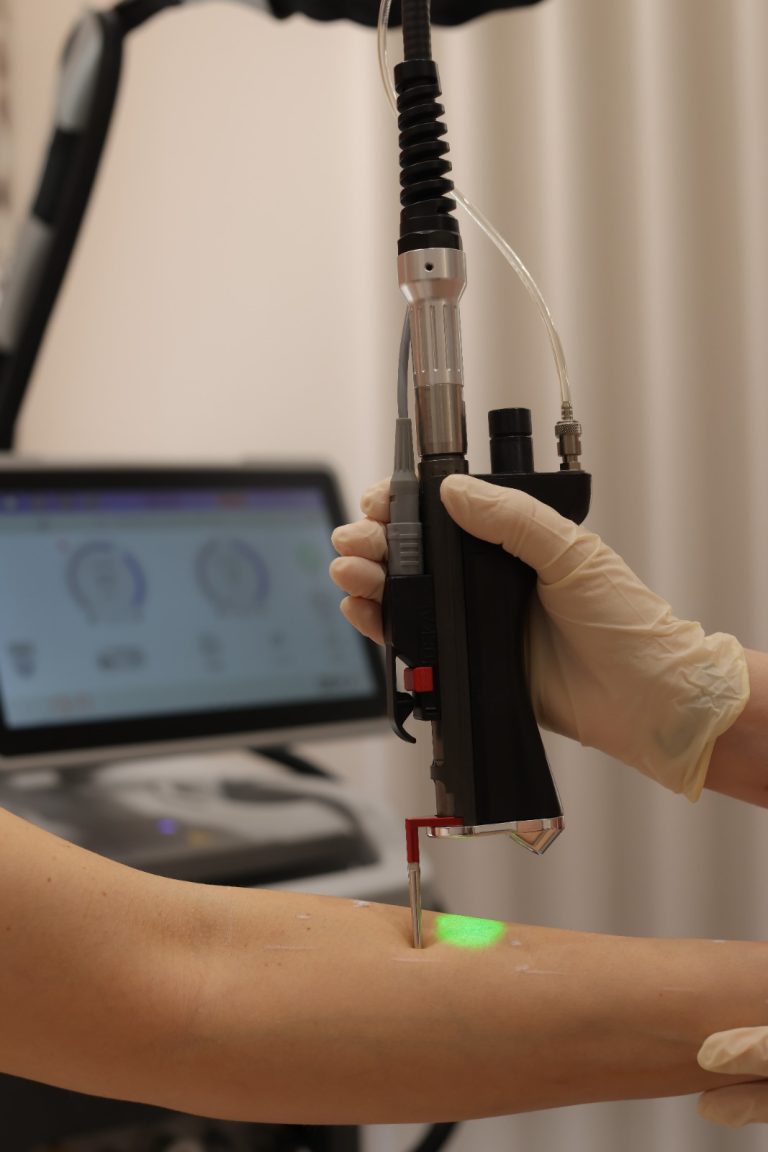
At Zen House in Tirana, the laser hair removal service uses a system with Alexandrite and Nd:YAG wavelengths. Here is what those names mean and what to discuss before your first session.
How Does Laser Hair Removal Work?
Laser hair removal directs light toward pigment in the hair. The absorbed energy produces heat that affects the follicle and can reduce future hair growth. Because hairs are at different stages of growth, treatment usually involves multiple sessions rather than one visit.
The amount of pigment in the hair matters. Darker hair generally gives the laser a clearer target than very light hair. The pigment in the surrounding skin matters too: it can absorb some laser energy, which is why the practitioner must consider skin tone and choose suitable settings.
Laser treatment aims for lasting hair reduction, but it does not guarantee that every hair will disappear permanently. Results vary by person, body area and hair characteristics.
What Is an Alexandrite Laser?
An Alexandrite laser uses a wavelength of approximately 755 nanometres. It is commonly considered for hair reduction when there is a useful contrast between the hair and surrounding skin, such as dark hair on lighter skin.
That does not mean Alexandrite is suitable only for one skin tone. The decision depends on the particular device, settings, practitioner’s assessment and individual risk factors. Equally, a laser being available does not mean it is the best choice for every area of your body.
If you have recently tanned or your skin tone changes noticeably between seasons, tell the practitioner. Your skin at the appointment may need a different plan from the one discussed several months earlier.
What Is an Nd:YAG Laser?
The Nd:YAG laser used for hair removal typically has a wavelength of approximately 1,064 nanometres. Its longer wavelength is often considered when treating darker skin tones because treatment can be planned with greater attention to limiting unwanted heating in the skin’s surface.
This does not make Nd:YAG risk-free or automatically the best option for everyone with darker skin. The practitioner still needs to assess your skin, hair and medical history, select appropriate settings and explain possible side effects.
Nd:YAG may also be less suited to some lighter or finer hairs. A professional should discuss whether the hair you want treated is likely to respond rather than promising that a particular laser will work on every hair colour.
Alexandrite vs Nd:YAG: What Is the Practical Difference?
| Question | Alexandrite | Nd:YAG |
|---|---|---|
| Typical wavelength | About 755 nm | About 1,064 nm |
| Main planning consideration | Often useful when hair and skin have clear pigment contrast | Often considered for darker skin tones |
| Will it work on every hair colour? | No | No |
| Can it be chosen by skin tone alone? | No; hair, recent tanning and other factors matter | No; hair, recent tanning and other factors matter |
| Does it require professional settings and assessment? | Yes | Yes |
These are broad distinctions, not rules for assigning a laser to a person from their appearance. A consultation should determine what is appropriate for the area being treated.
Why Does Hair Colour and Thickness Matter?
Laser hair removal relies on pigment in the hair. Coarse, dark hair may be easier to target than fine, pale hair. Blonde, red, grey or white hair can be more difficult to treat because it may contain too little of the pigment that the laser targets.
Hair can also vary across your body. You may have dark, coarse hair on your lower legs and finer hair on your face. A treatment plan for one area should not automatically be copied to another.
Ask the practitioner what result is realistic for your particular hair. If the hair is very light or fine, an honest discussion about likely response can save you from committing to sessions based on an unrealistic promise.
Why Do Skin Tone and Recent Sun Exposure Matter?
Skin contains pigment as well. When more laser energy is absorbed by the surrounding skin, the risk of an unwanted reaction may increase. Possible complications include burns or changes in skin colour.
This is one reason to mention recent sun exposure, tanning or any change in your skin tone before every appointment. It is also important to tell the practitioner about previous reactions to laser treatment and any skin condition in the treatment area.
Your provider may advise you to postpone a session or adjust the plan. Follow the preparation and sun protection instructions given for your skin and the device being used.
What Should You Ask at Your Consultation?
Before starting treatment, ask:
- Which wavelength do you recommend for this area, and why?
- Is my hair colour and thickness likely to respond?
- Does my current skin tone or recent sun exposure affect the plan?
- What level of hair reduction is realistic?
- How many sessions might be considered, and how will progress be reviewed?
- What side effects should I watch for?
- How should I prepare, and what should I do after treatment?
Tell the practitioner about medicines, previous laser sessions and any unusual skin reactions. The answers should help you understand the proposed treatment rather than leave you relying on the device name alone.
Choosing Laser Hair Removal in Tirana
The key difference in the Alexandrite vs Nd:YAG laser comparison is their wavelength. That difference can influence which option a trained practitioner considers for your skin and hair. Neither wavelength is universally best, and access to both does not remove the need for an individual assessment.
Zen House offers laser hair removal in Tirana using Alexandrite and Nd:YAG technology. Contact the team to discuss the area you want treated, your skin and hair characteristics, and what you can realistically expect.
Frequently Asked Questions
Is Alexandrite or Nd:YAG better for dark skin?
Nd:YAG is often considered for darker skin tones, but the best approach depends on the device, settings, hair and individual assessment. Neither laser should be chosen from skin tone alone.
Which laser is better for light hair?
Very light hair can be difficult for either wavelength to target. Ask for an assessment of the hair in the specific area before committing to treatment.
Can I have laser hair removal if I have a tan?
Recent tanning can affect treatment planning and risk. Tell the practitioner about sun exposure before your session and follow their advice on whether to proceed.
Does having two wavelengths mean fewer sessions?
Not necessarily. Session needs depend on the area, hair growth, individual response and treatment plan. A dual-wavelength system does not guarantee a particular number of visits.