What causes bloating after eating?
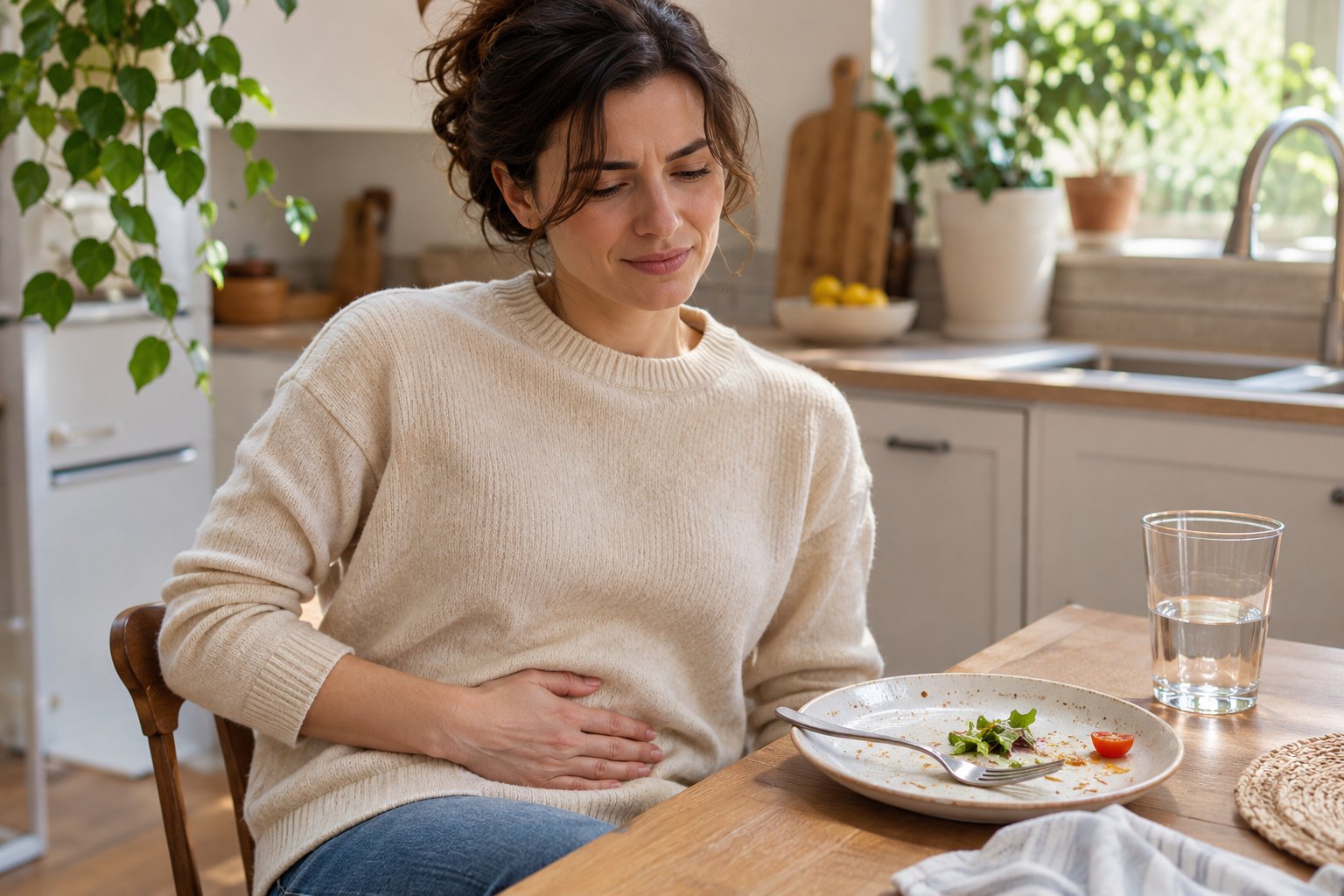
Bloating after eating can feel like fullness, pressure or tightness. Sometimes your abdomen looks larger as well. Several things can contribute, including a large meal, swallowed air, the way your gut handles particular foods, or constipation. Pay attention to how often it happens, when it begins and whether your bowel habits change. A few specific examples can help you explain the problem if you need medical advice.
Why you may feel bloated after a meal
Swallowing some air is a normal part of eating and drinking. You may swallow more when you rush through meals, chew gum or drink fizzy beverages. Gas also forms when bacteria in the large intestine break down certain carbohydrates. Some people notice symptoms after eating beans, lentils or onions, especially when the portion is larger than usual. The rest of the meal and how you ate it can matter as well.
If bloating repeatedly follows milk or ice cream, note the amount and whether you also have pain or diarrhea. This information helps a healthcare professional decide whether to consider lactose intolerance. A restaurant meal can contain several possible triggers, and a similar food eaten on a different day may be well tolerated. Look for a pattern across meals before drawing conclusions about one ingredient.
Constipation can also contribute to bloating. If your stools have become hard or infrequent, or passing them takes more effort, include this in your notes. Some people feel pressure even when their abdomen changes very little in size. Our overview of digestive discomfort describes other symptoms that are worth mentioning during an assessment.
How to keep a useful food and symptom diary
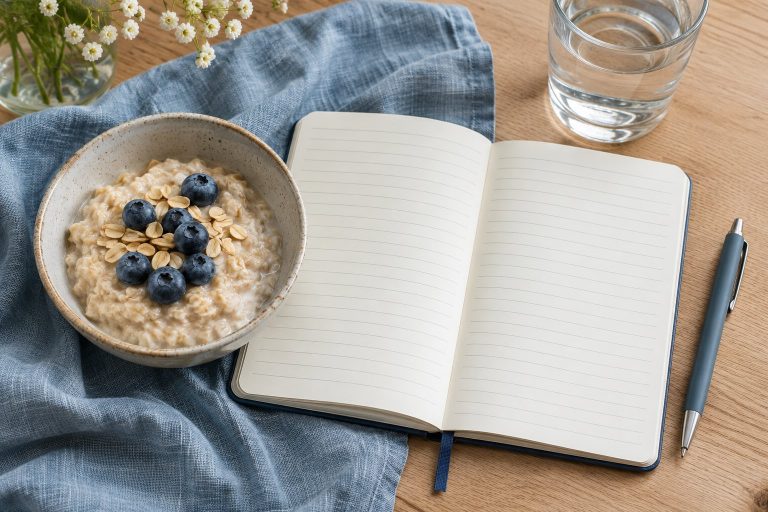
Make a short note for a few days. Include meals you felt comfortable after, especially if they contain some of the same ingredients as meals associated with bloating. That helps put each episode in context. A phone note or sheet of paper is enough.
- Write down the time, rough portion and main ingredients. Include drinks and details such as eating at your desk or finishing in a hurry.
- Record when you felt bloated, how long it lasted, how much it affected you and whether you had pain, gas or a change in your bowel movements.
- Note anything that changed around the same time, such as travel, a new medicine or a supplement. Bring the product label if you plan to ask about it.
For example, imagine you regularly feel uncomfortable after a large lunch with sparkling water. At a similar lunch you could try still water and record how you feel. Changing one habit at a time gives you a clearer comparison and keeps the experiment manageable. Take the notes to your appointment if the pattern remains unclear.
Start with changes that fit your routine
If symptoms are mild and occasional, start with an option you can repeat. Allow more time to eat or choose a portion that leaves you comfortable. If you regularly have fizzy drinks with meals, see how you feel when you switch to still water. A manageable change on an ordinary working day is easier to evaluate than a complete change to your meals for a weekend.
If you are thinking about cutting out several foods, ask a qualified nutrition professional how to test a specific possibility while keeping meals varied and adequate. Broad restrictions can make it harder to pinpoint what matters. Seek help with your nutrition if fear of symptoms is making you skip meals or progressively shorten your list of tolerated foods.
When to speak with a doctor
Arrange a medical assessment if bloating is frequent, new or worsening, or starts to affect how much you eat or what you can do. Tell your doctor about other changes, especially unintentional weight loss, blood in your stool or a persistent change in bowel habits. Seek urgent medical help if you develop sudden severe abdominal pain, or if marked swelling comes with vomiting and an inability to pass stool or gas.
Bring your notes, medication and supplement list, and any recent test results. A clinician can decide whether constipation, intolerance or another cause needs investigation. Be specific about the difference between how the abdomen feels and how it looks, and mention when you first noticed the change.
Discussing eating habits at Zen House
If you want practical help with eating habits after discussing persistent symptoms with your doctor, read about the naturopathy service at Zen House. You can bring a couple of examples from your diary and a question that reflects a typical day, such as how to organize lunch around work. Our guide to what to bring to a first consultation can help you prepare. The Tirana consultation page explains how to request a visit.