PCOS and nutrition in everyday life
If you have been diagnosed with polycystic ovary syndrome (PCOS), a useful starting point is how food and physical activity fit into a typical week. An eating pattern has to work with your health needs, budget, schedule and preferences. You may also see the newer name, polyendocrine metabolic ovarian syndrome (PMOS), in international clinical guidance. This article uses PCOS, the term many people still recognize.
Where nutrition fits into PCOS care
PCOS can affect menstrual cycles and metabolic health, and experiences vary. Your doctor can help you decide what needs attention, such as irregular cycles, plans for pregnancy or whether to check blood sugar. If you think you may have PCOS, speak with a clinician about assessment. Other conditions can cause some of the same symptoms.
Balanced meals and regular activity can support well-being and metabolic health, including when your weight stays the same. Research has yet to identify a single eating pattern that works best for everyone with PCOS. Look for an approach that fits your food preferences and health needs and that you can keep using when your week gets busy.
Building meals around food you already eat
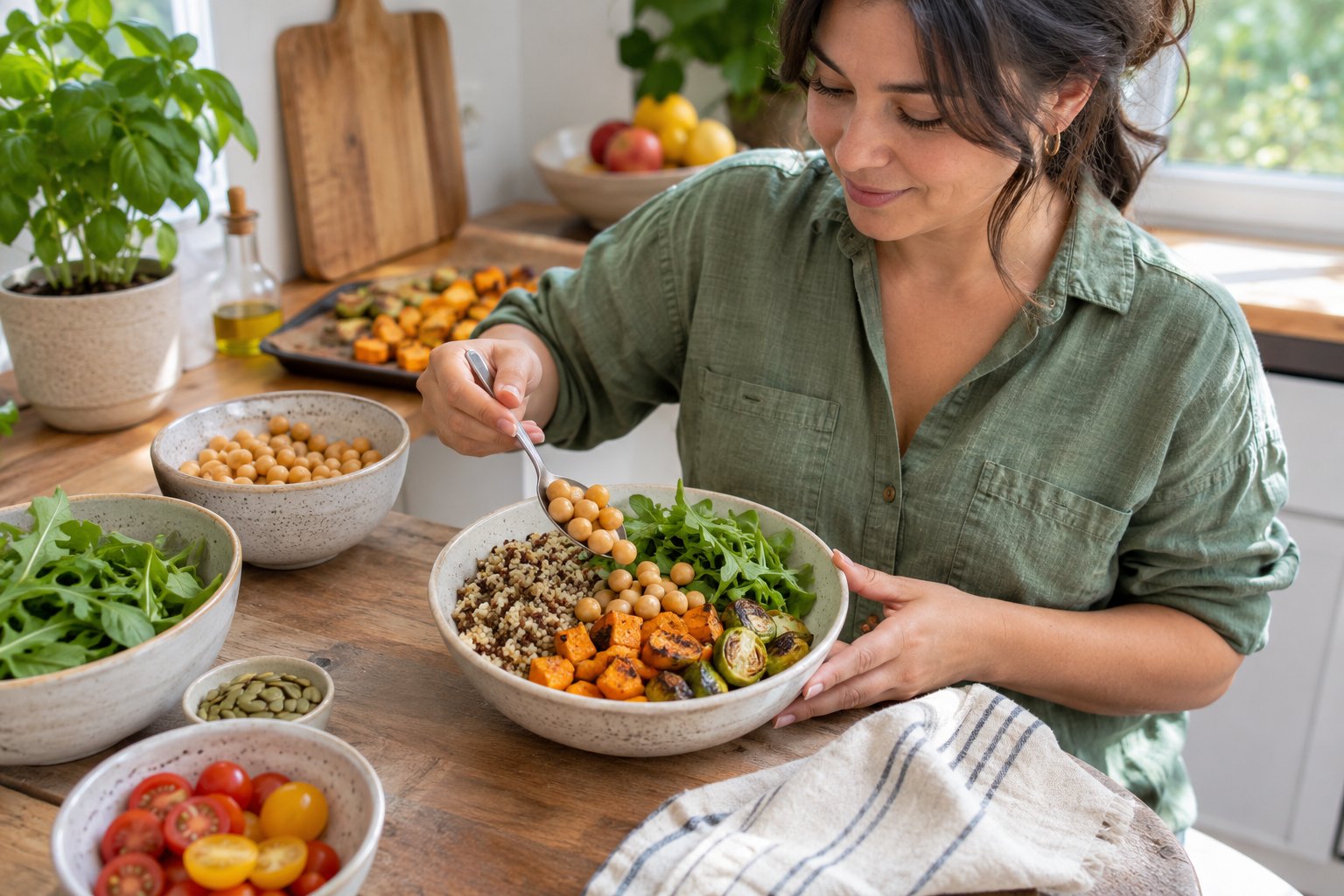
Start with one meal that is hard to organize. If lunch regularly gets pushed back, choose a couple of options you can prepare in advance or buy close to work. For a main meal, consider combining a source of protein with vegetables and a food that provides fiber. For example, you might have a bean and vegetable stew with whole-grain bread or fish with roasted vegetables and rice. The portions and combinations can vary according to your appetite and needs.
If you work shifts or eat with family, identify the parts of the routine you can change. You might pack lunch on the busiest days or keep a few ingredients on hand for a quick dinner. Ask yourself whether the idea works during an ordinary week. Our guide to nutrition and lifestyle habits explores how everyday routines can shape the changes you choose.
Choose activity you can return to
Think about activities you enjoy or can fit around other commitments. Walking with someone, taking part of your commute on foot or doing strength exercises suited to your ability are examples. If time is tight, look for a regular point in your day when movement is practical. Adjust your plan when work, pain or energy levels make it difficult to continue, and ask for guidance if a health condition affects which activities are suitable for you.
Consider tracking a result you can observe, such as how often you took a walk or how many days you organized lunch. This can make it easier to decide whether a plan fits your life. Discuss weight-related goals with your health professional if they are relevant to your care, and tell them how you prefer to talk about weight and progress.
Discuss supplements and monitoring with your clinician
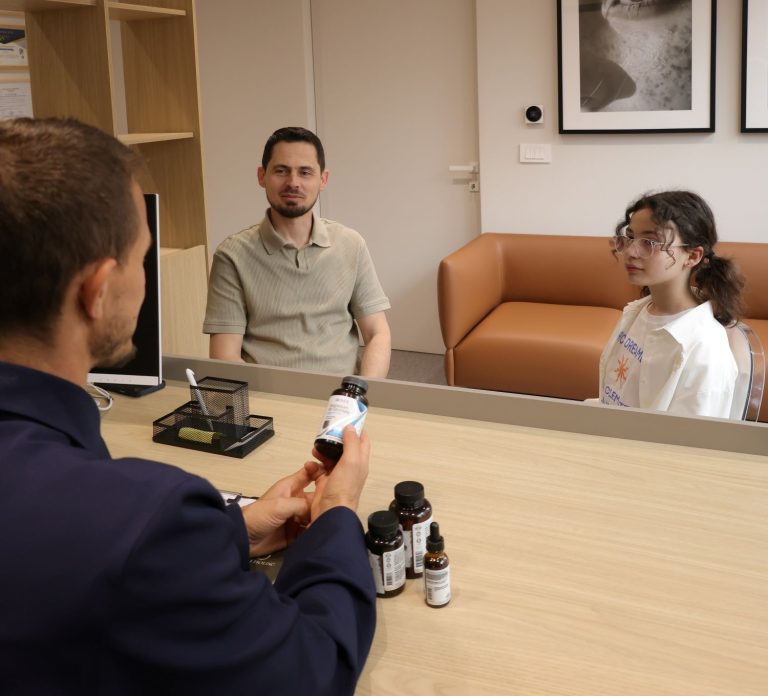
If you are considering a supplement marketed for PCOS, bring the label to your doctor or pharmacist. Ask what evidence supports its use in your situation, what side effects to look for and whether it could interact with a medicine. This is especially important if you are planning a pregnancy or already take medicines regularly. Two products promoted for the same purpose may contain different ingredients or amounts.
Your doctor can explain which aspects of metabolic health are worth following for you, including blood sugar when appropriate. A few notes can help you make the most of that conversation.
- Write down what you want help with, such as changes in your cycle or planning meals around shifts.
- Describe an ordinary week of meals, movement and sleep. Include the biggest practical barrier you face.
- Bring recent results and a list of medicines and supplements, with labels if you have them.
Practical nutrition support at Zen House
If you are already receiving medical care for PCOS and want to discuss everyday eating habits, the naturopathy service at Zen House can help you consider how your nutrition goals fit your routine. Bring one example of a change you have tried and one challenge you want to work on. Our guide to your first naturopathic consultation explains what to prepare. Visit the Tirana consultation page to learn how to request an appointment.