
Back Pain That Travels Down the Leg: What to Discuss at Your Consultation
Back pain that travels into a buttock, leg or foot can feel different from pain that stays in the lower back. You might describe a sharp or burning sensation, tingling, numbness, or discomfort that changes when you sit, stand or walk. These symptoms are sometimes called sciatica, but the name alone does not establish what is causing them.
If you are searching for a chiropractor for sciatica in Tirana, start with an assessment rather than choosing a treatment in advance. A useful consultation should establish where your symptoms occur, how they have changed and whether chiropractic care is appropriate. It should also identify symptoms that need medical evaluation.
Here is what to prepare and what to ask.
Describe Exactly Where the Pain Travels
Before your appointment, think about the route the pain takes. Does it begin in your lower back and move through one buttock? Does it reach your thigh, calf or foot? Is one leg affected or both?
Tell the practitioner whether you also feel pins and needles, reduced sensation or weakness. Try to distinguish between pain that makes a movement difficult and a leg that actually feels weaker than usual. You do not need to use medical terms; a description in your own words is more useful than guessing at a diagnosis.
It may help to note when the symptoms first appeared and whether they began suddenly or gradually. Mention a fall, accident or other injury if one occurred. Also explain whether the pain has stayed the same, improved or become more intense.
Explain How the Symptoms Affect Your Day
A consultation should consider what you can and cannot do comfortably. For example:
- Does sitting make the leg pain worse?
- How long can you walk before the symptoms change?
- Do you have trouble sleeping?
- Are work, driving or household tasks affected?
- Have you stopped an activity because of the pain?
These details give the practitioner a clearer picture than a pain score alone. They also help you identify a practical goal, such as returning to a normal walk or sitting more comfortably at work.
Tell the practitioner what you have already tried, including exercise, rest, medication or previous treatment. If you have seen a doctor or physiotherapist, bring any relevant advice or reports you have received.
What Should the Assessment Include?
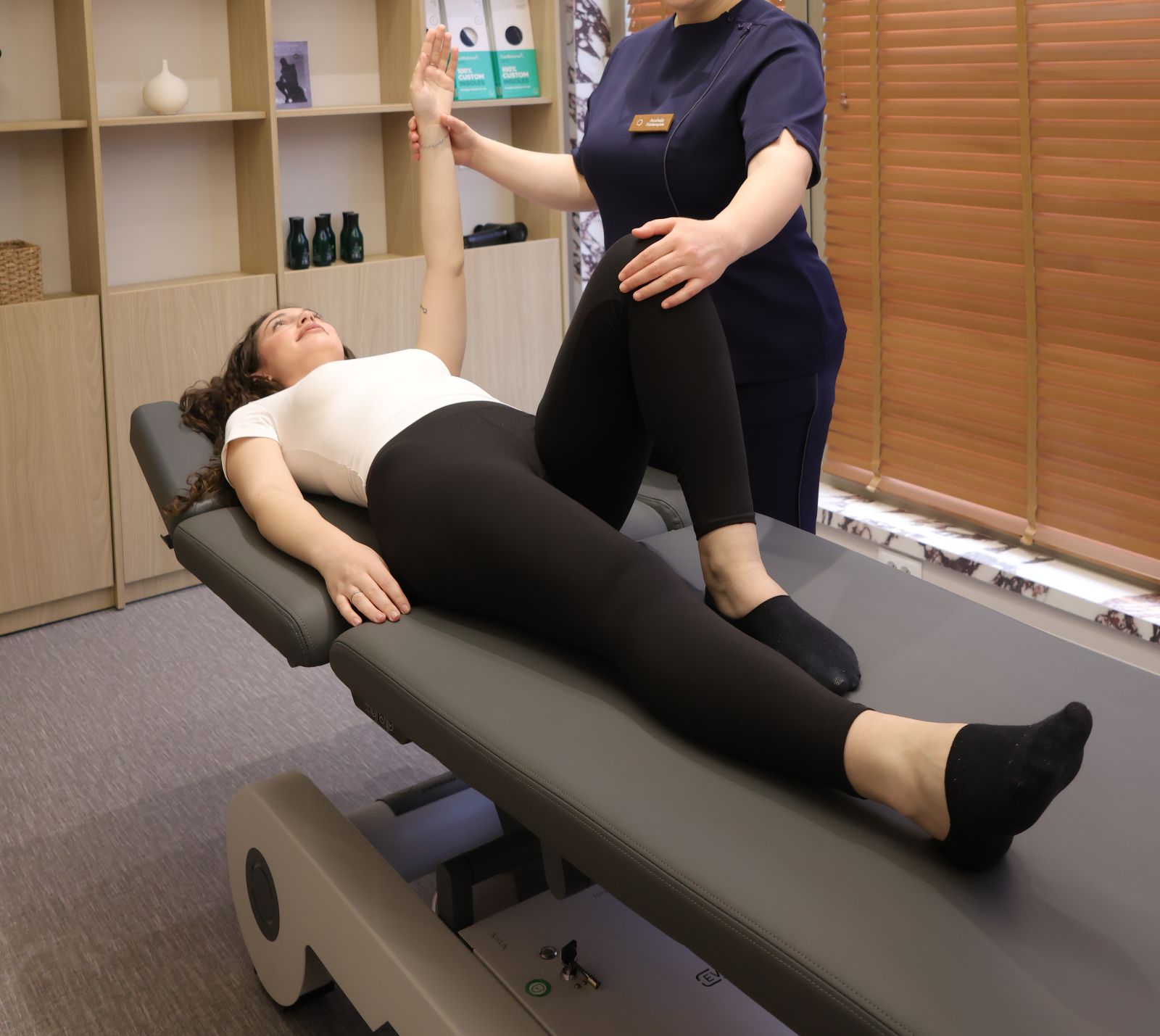
The practitioner should ask about your symptoms and medical history before recommending care. They may assess how your back and legs move and check strength, sensation or other findings relevant to the symptoms you describe.
An assessment cannot promise that one hands-on technique will resolve pain travelling down the leg. The practitioner should explain what they think may be happening, what remains uncertain and whether you need evaluation by another healthcare professional.
At Zen House, the first chiropractic consultation is described as an opportunity to assess symptoms before deciding on an approach. You can also read about its broader body wellness services, which include different ways of supporting movement and recovery.
Questions to Ask About Your Options
Once the assessment is complete, ask how the proposed plan relates to your symptoms. Useful questions include:
- What findings are guiding your recommendation?
- Do my leg symptoms need medical evaluation or further investigation?
- What activities can I continue comfortably?
- Would an exercise plan be appropriate?
- If manual treatment is suggested, what is its purpose and what are the alternatives?
- When should we review my progress?
- What changes would mean I should seek medical advice?
If manual therapy or chiropractic treatment is discussed, ask how it fits into the overall plan. For low back pain with or without sciatica, clinical guidance considers manual therapy as part of a package that includes exercise, rather than as a stand-alone answer for everyone.
When Should You Seek Urgent Medical Care?
Do not wait for a routine chiropractic appointment if back and leg pain comes with new difficulty passing urine, loss of bladder or bowel control, or new numbness around the genitals, buttocks or inner thighs. These symptoms need emergency medical assessment.
Seek urgent medical advice if you develop severe or worsening weakness or numbness in both legs. Pain after significant trauma also needs medical evaluation. Tell a healthcare professional promptly if you notice new weakness in a leg or a clear change in your ability to walk.
These problems are uncommon, but recognising them matters. If you are unsure whether a new symptom is serious, seek medical advice rather than waiting to see whether it settles.
Do You Need an MRI Before a Consultation?
Not everyone with pain travelling down a leg needs a scan. The decision depends on your symptoms, examination findings and whether imaging would change your care. A practitioner should not assume that an MRI is necessary for every person, just as they should not dismiss symptoms that require further evaluation.
If you already have a scan or medical report, bring it to the appointment. Discuss it alongside your current symptoms: an image is only one part of the assessment.
Make the Consultation a Starting Point
Back pain that travels down the leg deserves a careful conversation, particularly when it affects your daily activities or changes over time. Write down where the pain goes, whether you have tingling or weakness, and the questions you want answered. That preparation can help you get more from your appointment.
Zen House offers chiropractic assessments in Tirana. Contact the team to describe your symptoms and discuss an appropriate appointment. If you have any of the urgent symptoms above, seek emergency medical care first.
Frequently Asked Questions
Is pain down the leg always sciatica?
No. People often use “sciatica” to describe leg pain, but symptoms need to be assessed before their likely cause can be discussed.
Can I visit a chiropractor for sciatica in Tirana?
You can arrange an assessment to discuss your symptoms and whether chiropractic care is appropriate. Some people will need medical evaluation or another form of care instead.
Should I mention tingling or numbness even if the pain is worse?
Yes. Tell the practitioner about changes in sensation or strength, where they occur and whether they are getting worse. New or progressing weakness should receive prompt medical attention.
Will one treatment fix pain travelling down my leg?
There is no reliable promise of a particular result from one session. The appropriate plan depends on your assessment, and progress should be reviewed over time.