Dermapen vs RF Microneedling: What Is the Difference?
If you are considering treatment for acne scars, uneven texture or fine lines, you may come across both Dermapen and RF microneedling. The names sound similar because both procedures use small needles to create controlled punctures in the skin. The key difference is that RF microneedling also delivers radiofrequency energy, which heats tissue at selected depths.
At Zen House in Tirana, the relevant treatments are Dermapen 4 microneedling and Virtue RF microneedling. Understanding how they differ can help you ask better questions at a consultation. It cannot tell you which treatment your skin needs without an individual assessment.
How Does Dermapen Microneedling Work?
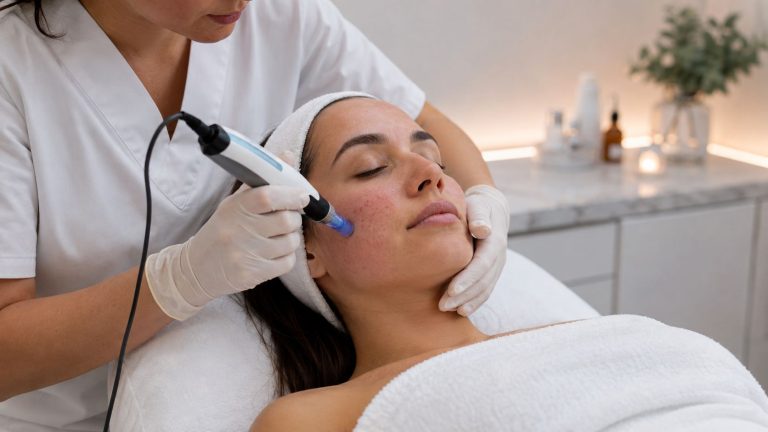
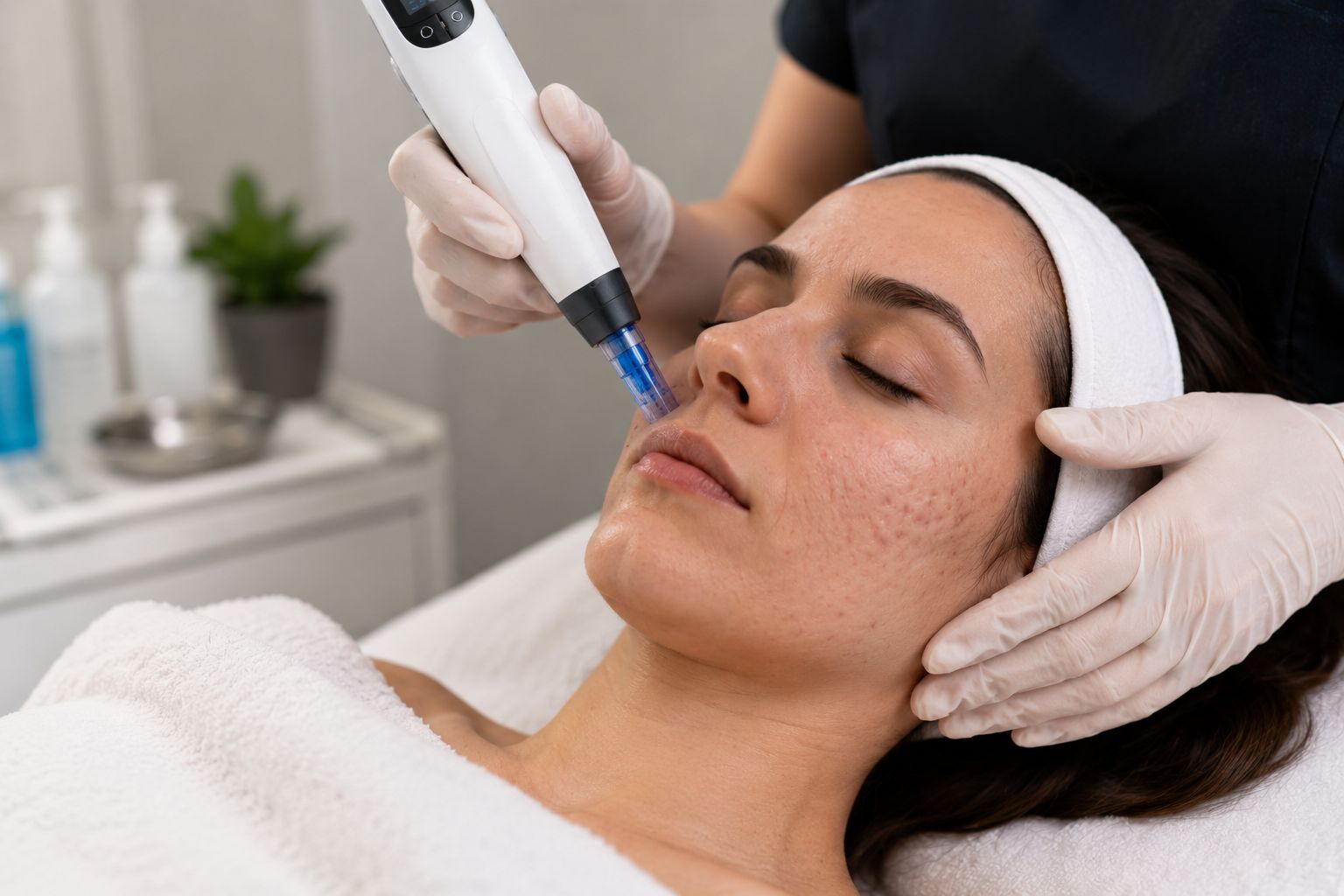
Dermapen 4 is a microneedling device that uses fine needles to create controlled, small punctures in the skin. The treatment is intended to stimulate a repair response and may be considered for concerns such as uneven texture, the appearance of certain acne scars and fine lines.
The practitioner adjusts the approach according to the area being treated and your skin. Needle depth, treatment intensity and the number of sessions should reflect the concern being addressed. Active irritation, your medical history and previous treatments may also affect whether microneedling is suitable.
Dermapen uses the mechanical action of needles. It does not add radiofrequency heat to the treatment area.
How Does RF Microneedling Work?
RF microneedling also places small needles into the skin, but the needles deliver radiofrequency energy. That energy produces controlled heating in tissue. Virtue RF is the RF microneedling treatment described on the Zen House website.
The addition of heat changes both the treatment mechanism and the points you should discuss before proceeding. Settings and technique matter. RF microneedling should be performed by an appropriately trained professional who can assess your skin, explain the proposed treatment and discuss its risks.
It is tempting to call RF microneedling a “stronger Dermapen,” but that does not accurately describe the choice. These are different approaches, and adding RF does not make a treatment automatically better for every concern.
Dermapen vs RF Microneedling at a Glance
| Question | Dermapen 4 | Virtue RF microneedling |
|---|---|---|
| How does it work? | Fine needles create controlled punctures in the skin. | Fine needles create punctures and deliver radiofrequency energy that heats tissue. |
| Is heat delivered through the needles? | No. | Yes. |
| What might be discussed at consultation? | Concerns such as skin texture, fine lines or certain acne scars. | Similar concerns, depending on the intended use, with consideration of the added RF energy. |
| Is one always better? | No. Suitability depends on your skin and goals. | No. The additional technology does not guarantee a better result. |
| Is an assessment needed? | Yes. | Yes, including a discussion of RF-specific risks. |
The comparison describes the technologies. It is not a recommendation for a particular skin condition or a promise of results.
Which Treatment Is Better for Acne Scars?
The answer depends partly on the type of scar. Depressed acne scars, active acne, changes in pigmentation and uneven surface texture are different concerns. They may need different approaches, and some people may have more than one concern at the same time.
During a consultation, show the practitioner the specific areas you want to improve. Ask what type of scarring they see, what degree of change is realistic and why they recommend one treatment. You can also ask how progress would be assessed if more than one session is proposed.
If acne scars are your main concern, Zen House has a separate guide to Dermapen for acne scars in Tirana. That article can help you prepare questions, but your treatment choice should follow an examination of your skin.
What About Fine Lines and Skin Texture?
Both treatments may be discussed when a person wants to improve the appearance of fine lines or uneven texture. The suitable option depends on the treatment area, your skin characteristics, the result you hope for and the practitioner’s assessment.
Be specific about what bothers you. “Skin rejuvenation” can mean different things to different people. You might be concerned about rough texture, enlarged-looking pores, fine lines or changes in firmness. Describing the exact concern makes the consultation more useful than asking which device is best in general.
No procedure can promise perfectly smooth skin or the same outcome for every person. Ask for a realistic explanation of the likely benefits, limits and number of sessions that might be considered.
Is Recovery the Same?
Your skin may look red or feel sensitive after either procedure. The response and recovery time can vary with the treatment area, intensity, your skin and the protocol used. Do not assume that one treatment always has less downtime than the other.
Before booking, ask what your skin is likely to look and feel like afterward. Discuss when you can resume your usual skincare, makeup, exercise and sun exposure, and follow the instructions given for your particular session. If you have an important event coming up, mention its date during the consultation.
The FDA advises patients considering microneedling to discuss benefits, risks and aftercare with their healthcare provider. It has also warned of reports of serious complications with certain uses of RF microneedling, including burns, scarring, fat loss and nerve damage. This is a reason to ask about practitioner training, the device being used and the risks relevant to your treatment.
What Should You Ask Before Deciding?
Take these questions to your consultation:
- Which of my skin concerns is this treatment intended to address?
- Why do you recommend Dermapen 4 or Virtue RF for my skin?
- What result is realistic, and how would we assess progress?
- How many sessions might be considered, and when would the plan be reviewed?
- What side effects and complications should I understand?
- What preparation and aftercare will I need?
- Who will perform the treatment, and what experience do they have with the device?
Tell the practitioner about current skin problems, previous procedures, relevant medical conditions and any medications or products you use. That information can affect treatment planning.
Choosing Your Treatment at Zen House
The main distinction in the Dermapen vs RF microneedling comparison is straightforward: Dermapen 4 uses microneedles, while Virtue RF combines microneedles with radiofrequency energy. Deciding which approach is appropriate takes more than comparing device names.
Explore Zen House’s pages for Dermapen 4 and Virtue RF, then contact the team for an individual assessment. Bring your questions and describe the change you hope to see, so the discussion can focus on your skin and realistic options.
Frequently Asked Questions
Is Dermapen the same as RF microneedling?
No. Both use needles, but RF microneedling also delivers radiofrequency energy into tissue.
Is RF microneedling always more effective?
No. An added technology does not guarantee a better outcome. The choice depends on the skin concern, treatment settings, risks and individual suitability.
Can I choose a treatment based on photos online?
Photos may help you explain your goal, but they cannot establish which procedure suits your skin or predict your result. An assessment is needed.
Are there risks with both treatments?
Yes. Microneedling can cause side effects and complications, and RF microneedling has additional risks associated with energy delivery. Discuss these with a qualified provider before consenting to treatment.