Rehabilitation After Surgery: Supporting Recovery, Movement, and Independence
Surgery is often an important step toward healing, but the recovery process does not end when the procedure is complete. After surgery, the body needs time, guidance, and the right type of support to regain strength, mobility, coordination, and confidence. This is where rehabilitation after surgery plays a vital role.
Rehabilitation after surgery is a personalized recovery process designed to help patients restore function, reduce limitations, and return to daily activities safely. Depending on the type of surgery and the individual needs of the patient, rehabilitation may include physical therapy, occupational therapy, speech therapy, or a combination of different therapeutic approaches.
What Is Rehabilitation After Surgery?
Rehabilitation after surgery is a structured treatment plan that supports the body during the healing process. Its main goal is to help patients regain movement, strength, balance, independence, and overall function.
Each rehabilitation program is tailored to the patient’s condition, surgery type, recovery stage, and personal goals. Someone recovering from orthopedic surgery may need exercises to restore mobility and muscle strength, while another patient recovering from neurological or complex surgery may need support with coordination, daily tasks, or communication.
The purpose is not only to recover from the operation itself, but also to improve quality of life after surgery.
Why Is Post-Surgery Rehabilitation Important?
After surgery, the body may experience stiffness, weakness, swelling, pain, reduced mobility, or difficulty performing normal activities. Without proper rehabilitation, recovery may be slower, and the body may develop compensations that affect posture, movement, and long-term function.
A guided rehabilitation program helps patients recover in a safer and more controlled way. It supports healing while reducing the risk of unnecessary strain or incorrect movement.
Post-surgery rehabilitation can help with:
- Restoring movement and flexibility
- Rebuilding muscle strength
- Improving balance and coordination
- Reducing stiffness and discomfort
- Supporting circulation and tissue recovery
- Helping patients return to daily activities
- Improving independence and confidence
- Preventing movement compensations
- Supporting long-term recovery
Rehabilitation is especially important because every recovery journey is different. The right treatment plan should be adapted to the patient, not the other way around.
Physical Therapy After Surgery
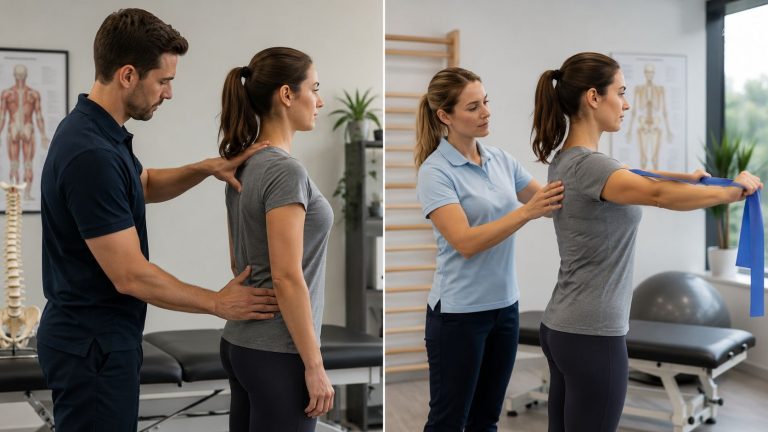
Physical therapy is one of the most common parts of post-surgery rehabilitation. It focuses on restoring mobility, strength, balance, and physical function.
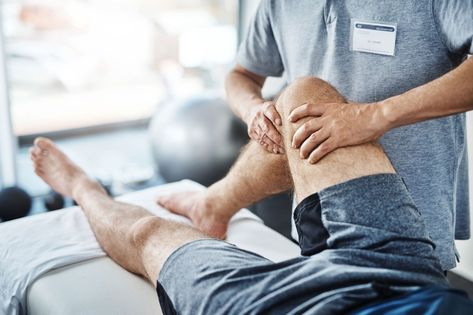
After surgery, muscles may become weaker, joints may feel stiff, and movement may feel limited. Physical therapy uses targeted exercises, manual techniques, stretching, and gradual movement training to help the body recover.
Physical therapy may be recommended after:
- Knee surgery
- Hip surgery
- Shoulder surgery
- Spine surgery
- Ligament or tendon repair
- Fracture treatment
- Sports injury surgery
- Joint replacement surgery
A physical therapy plan is usually progressive, meaning exercises and movements are adjusted as the patient improves. The goal is to help the body heal safely while gradually increasing strength and function.
Occupational Therapy and Daily Independence
Occupational therapy focuses on helping patients return to everyday activities. After surgery, simple tasks such as dressing, walking, climbing stairs, cooking, or returning to work may become more difficult.
Occupational therapy helps patients adapt, rebuild confidence, and regain independence in daily life. This may include training in safe movement, improving coordination, adapting routines, and learning practical strategies to complete everyday tasks more comfortably.
For many patients, occupational therapy is an important part of returning not only to movement, but also to normal living.
Speech Therapy in Post-Surgical Recovery
In some cases, rehabilitation after surgery may include speech therapy. This is especially important for patients recovering from surgeries or conditions that affect speech, swallowing, communication, or neurological function.
Speech therapy can help patients improve communication, strengthen swallowing function, and support recovery in areas related to voice, language, and coordination. Like physical and occupational therapy, speech therapy is personalized according to the patient’s specific needs.
A Personalized Approach to Recovery
There is no single rehabilitation plan that works for everyone. The type of surgery, age, overall health, pain level, mobility, lifestyle, and recovery goals all influence the treatment plan.
A personalized rehabilitation program may include:
- Initial assessment and recovery planning
- Gentle mobility exercises
- Strengthening exercises
- Balance and coordination training
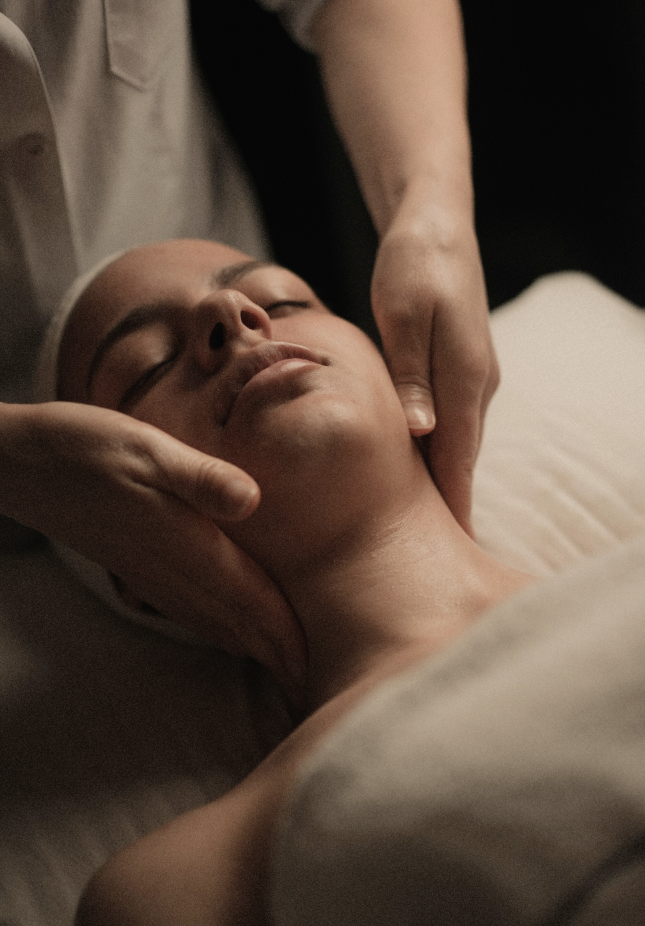
- Manual therapy
- Posture correction
- Functional movement training
- Pain and stiffness management
- Education on safe movement
- Gradual return to normal activities
At Zen House, the focus is on understanding the patient’s needs and creating a recovery plan that supports healing, function, and independence.
Rehabilitation After Orthopedic Surgery
Orthopedic surgeries often involve the joints, bones, muscles, ligaments, or tendons. After these procedures, rehabilitation is essential for restoring movement and strength.
For example, after knee or hip surgery, patients may need to relearn proper walking patterns, improve balance, and rebuild lower-body strength. After shoulder surgery, the focus may be on restoring range of motion, reducing stiffness, and gradually strengthening the surrounding muscles.
The recovery process must be gradual and controlled. Doing too much too soon may create strain, while doing too little may slow progress. A guided rehabilitation plan helps create the right balance.
The Role of Movement in Healing
Movement is an important part of recovery, but it must be introduced at the right time and in the right way. Controlled movement can support circulation, reduce stiffness, maintain flexibility, and help the body regain function.
Rehabilitation helps patients understand which movements are safe, which activities should be avoided, and how to progress step by step. This guidance is essential for building confidence during recovery.
The aim is not to rush the healing process, but to support it with careful, structured, and personalized care.
What to Expect During Post-Surgery Rehabilitation
The rehabilitation process usually begins with an assessment. The therapist will review the type of surgery, medical history, current symptoms, mobility level, pain level, and recovery goals.
Based on this evaluation, a personalized treatment plan is created. The first sessions may focus on gentle movements, pain management, swelling control, and basic mobility. As the patient improves, the plan may progress to strengthening, balance training, functional exercises, and return-to-activity guidance.
Progress is monitored throughout the process, and the program is adjusted as the body heals.
Supporting Confidence and Independence
Recovery after surgery is not only physical. Many patients also need emotional confidence to move again, return to normal routines, and trust their body after the procedure.
A structured rehabilitation program helps patients feel supported throughout this process. With professional guidance, patients can better understand their recovery, avoid unnecessary fear, and take an active role in their healing journey.
Regaining independence is one of the most important goals of rehabilitation. Whether that means walking comfortably, returning to work, exercising again, or performing daily tasks without difficulty, rehabilitation helps patients move toward a better quality of life.
Rehabilitation as Part of Body Wellness
At Zen House, rehabilitation after surgery is part of a broader Body Wellness philosophy. The goal is to support not only recovery, but also long-term physical balance, mobility, and well-being.
Depending on the patient’s needs, post-surgery rehabilitation may be combined with other supportive therapies such as:
- Manual therapy
- Soft tissue therapy
- Therapeutic exercise programs
- Posture correction
- Chiropractic care, when appropriate
- Pilates and movement-based programs
This integrated approach helps address the body as a connected system, supporting better movement and long-term wellness.
Start Your Recovery with the Right Support
Surgery can be an important step toward healing, but rehabilitation helps turn that step into real recovery. With the right guidance, patients can regain strength, restore function, improve mobility, and return to daily life with greater confidence.
A personalized rehabilitation program gives the body the support it needs to heal safely and effectively.
Book Rehabilitation After Surgery in Tirana
If you are recovering from surgery and need professional support to regain mobility, strength, and independence, Zen House offers personalized rehabilitation programs tailored to your recovery needs.
Book your consultation today and take the next step toward a stronger, safer, and more confident recovery.